Current Alerts
This page provides time-sensitive notices on outbreaks, health risks, emergency events, and urgent public health information relevant to Sidama Region. Read More …
Major Emergencies
The Sidama Region faces multiple, concurrent public health emergencies, with key challenges including cholera, COVID-19, measles, malaria, Mpox, VHF, malnutrition, and natural disasters like flooding and land slides. Read More …
Risk Communcation
Clear, timely, and honest communication is essential during public health events. SPHI provides public health messages, updates, advisories, and guidance to support informed action by communities, professionals, and institutions. Read More …
Emergency Operations Center
PHEOC The Emergency Operations Center supports coordinated monitoring, response management, and information flow during public health emergencies affecting the Sidama Region.
The EOC strengthens coordination, situational awareness, decision support, and communication across emergency events. Over time, this page can include activation status, operating procedures, and links to situation updates.
Current Alerts
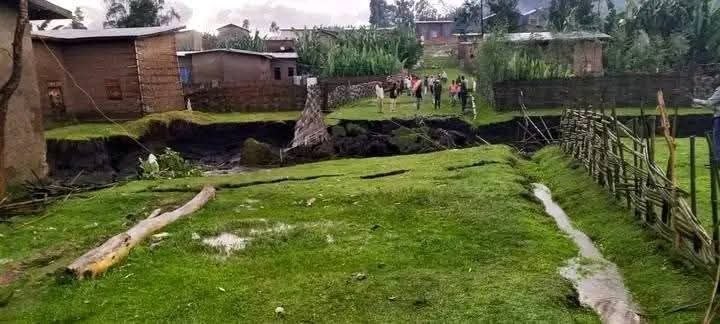
Public Health Alert! heavy rainfall and landslide risks.
The Sidama Region Public Health Institute is closely monitoring weather patterns.
የጥንቃቄ_መልዕክት
በአሁን ወቅት በመዝነበ ላይ ከሚገኘው ከፍተኛ ዝናብ ጋር ተያይዞ የመሬት መንሸራተት አደጋ ሊከሰት እንደሚችል እና መደረግ ስላለባቸው የጥንቃቄ እርምጃዎች ከዚህ ቀደም በተደጋጋሚ አሳውቀናል።
በመሆኑም በክልላችን ከዚህ በፊት አደጋው በደረሰባቸው አካባቢዎች እና ዳገታማና ተዳፋት አካባቢዎች ላይ የሚኖሩ ሕብረተሰባችን አሁንም በድጋሚ ተገቢውን ጥንቃቄ እንዲያደርጉ እናሳስባለን ።
QOROPHISHSHU SOKKA
Xaa yannara gananni noo kaajjadu xeenni ledo amadisiisame baattote hoshooshama/ tigete toa dano kalaqantara dandiitannotanna sufotenni assa hasiissannore qorophote sokka wirro wirro qolle egensiinsoommoti qaangannite.
Konni daafiira qoqqowinke giddo konni albaanni tige to’ino qooxeessubbaranna baga noo qooxeessubbara hee’ranno daganke hasiissanno qoropho assitanno gede wirro egensiinseemmo
Emergency Alert
The Sidama Region Public Health Institute is closely monitoring weather patterns.
Due to sustained heavy rainfall, the integrity of soil in slope-prone areas is compromised. We urge all residents in historically affected zones to remain vigilant and follow local evacuation protocols if necessary.
Major Emergencies In the Region
Covid-19
As part of the global and national pandemic, the Sidama Region recorded cases of COVID-19. The virus affected various demographics across the region, impacting public health systems and daily community interactions similarly to other major urban and rural hubs in Ethiopia.
Cholera
The region has experienced recurrent outbreaks of cholera. These occurrences have typically manifested as clusters of acute watery diarrhea, often appearing in areas with high population density or locations facing challenges with water and sanitation infrastructure.
Measles
The region has faced frequent and widespread occurrences of measles across multiple districts. These outbreaks have repeatedly surfaced in areas including Aroresa, Bensa, Chire, Gorche, Malga, and Titicha, where the virus moved through communities, primarily affecting children and those without prior immunity.
Malaria
Following a broader national trend after COVID-19, the Sidama Region saw a notable increase in malaria cases especially in 2024. The risk of the disease remained high across various woredas, with transmission levels fluctuating in accordance with environmental and seasonal changes.
Mpox
The Sidama Region recorded the first occurrences of Mpox in 2025. This marked the initial introduction of the virus into the regional health landscape, with one confirmed case identified through specialized diagnostic testing.
Marburg Virus
The Sidama Region managed the first-ever occurrence of the Marburg virus, limited in Hawassa. The situation was successfully brought under full control, a milestone that showcased the response capacity and containment capabilities of the Sidama Public Health Institute.
Preparedness and Response
SPHI works to build systems that can prevent, detect, and respond to health threats rapidly and effectively. This includes surveillance, contingency planning, logistics readiness, workforce preparation, and recovery planning..
- Preparedness saves lives
- Response depends on strong coordination
- Communication must be timely and clear
- Public trust is essential during emergencies
Risk Communication and Public Advisories
Clear, timely, and honest communication is essential during public health events. SPHI provides public health messages, updates, advisories, and guidance to support informed action by communities, professionals, and institutions
Public Advisories
HCW/Facility Guidance
Frequently Asked Questions
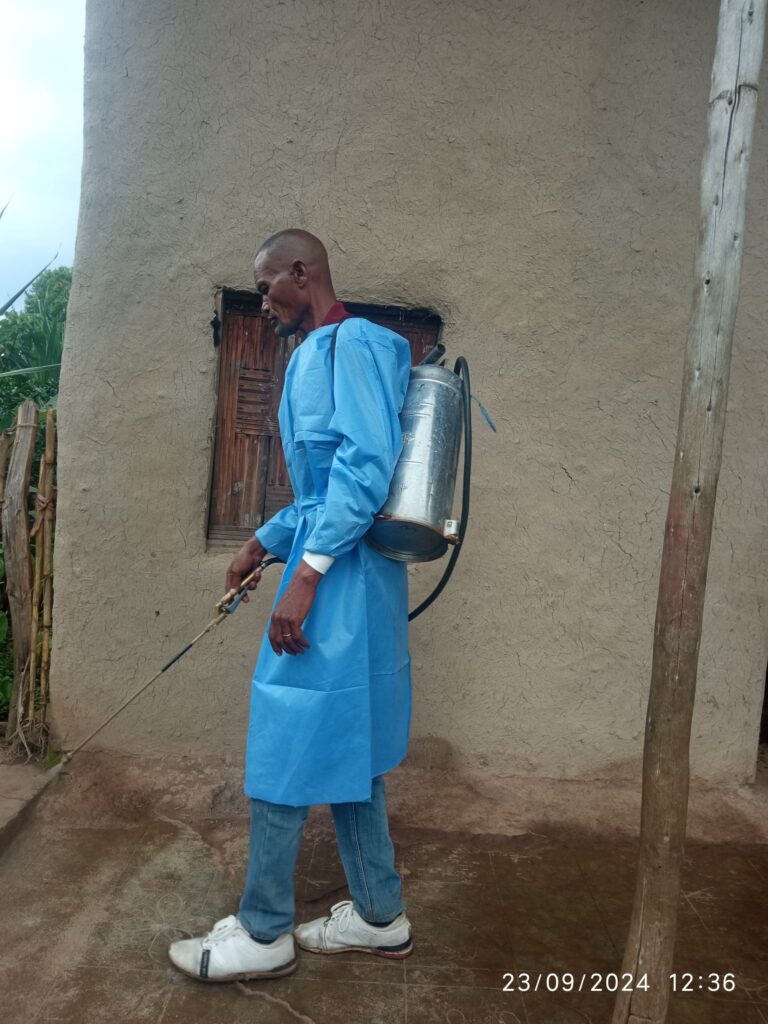
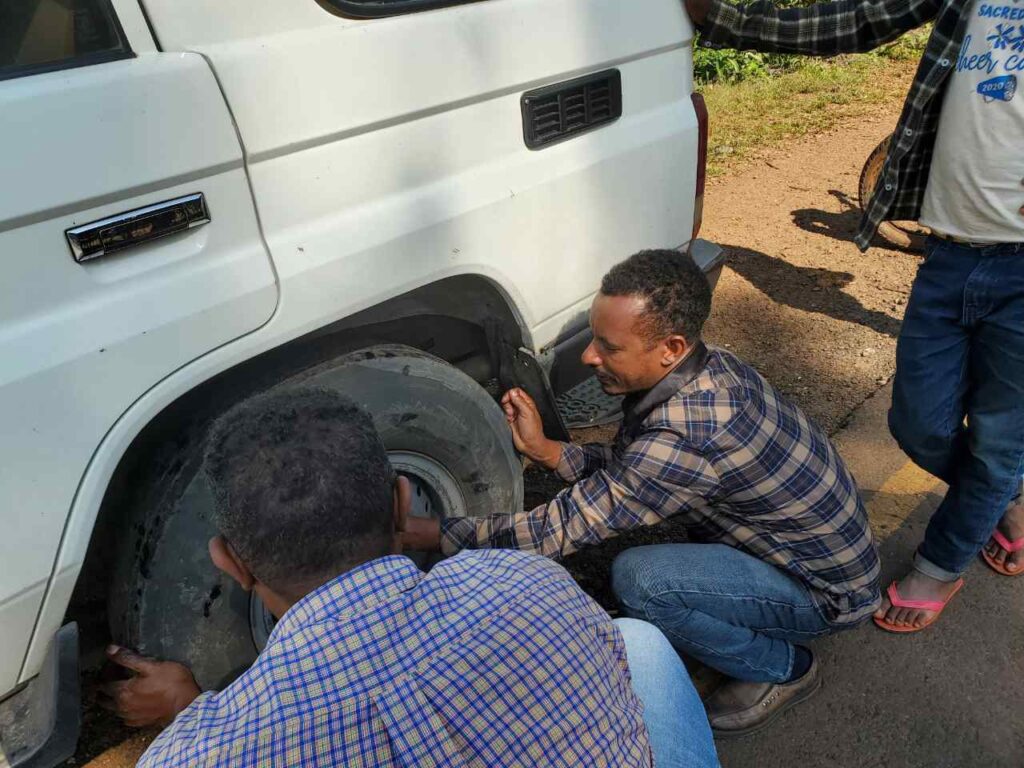
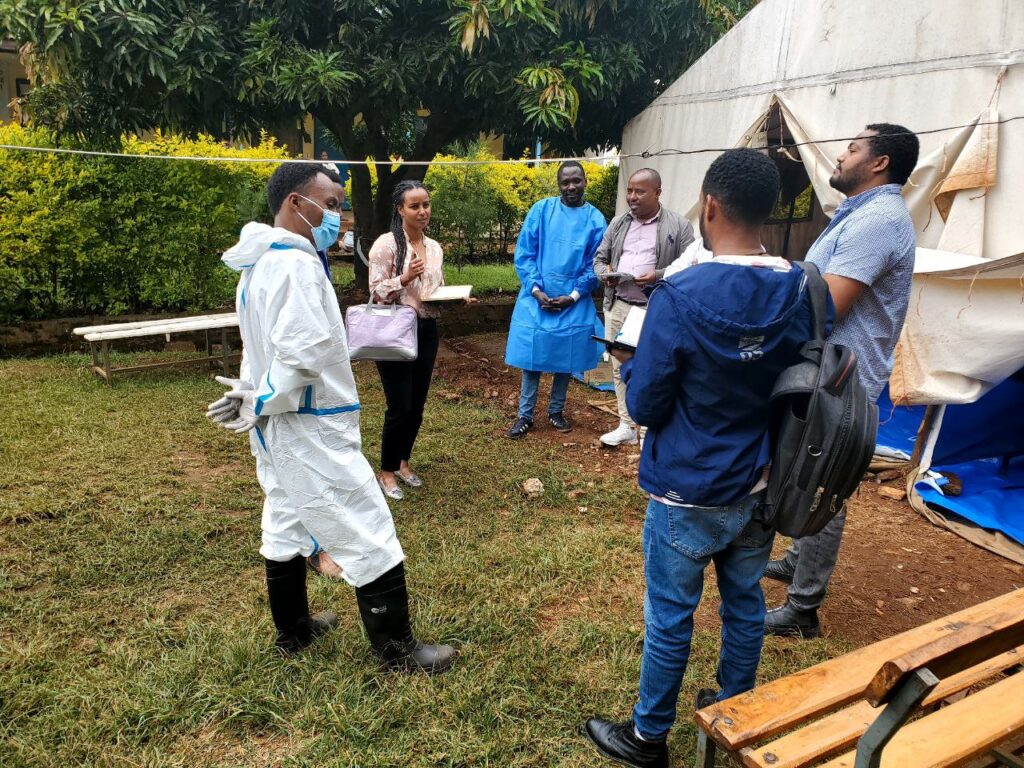
Our Frontline Responders
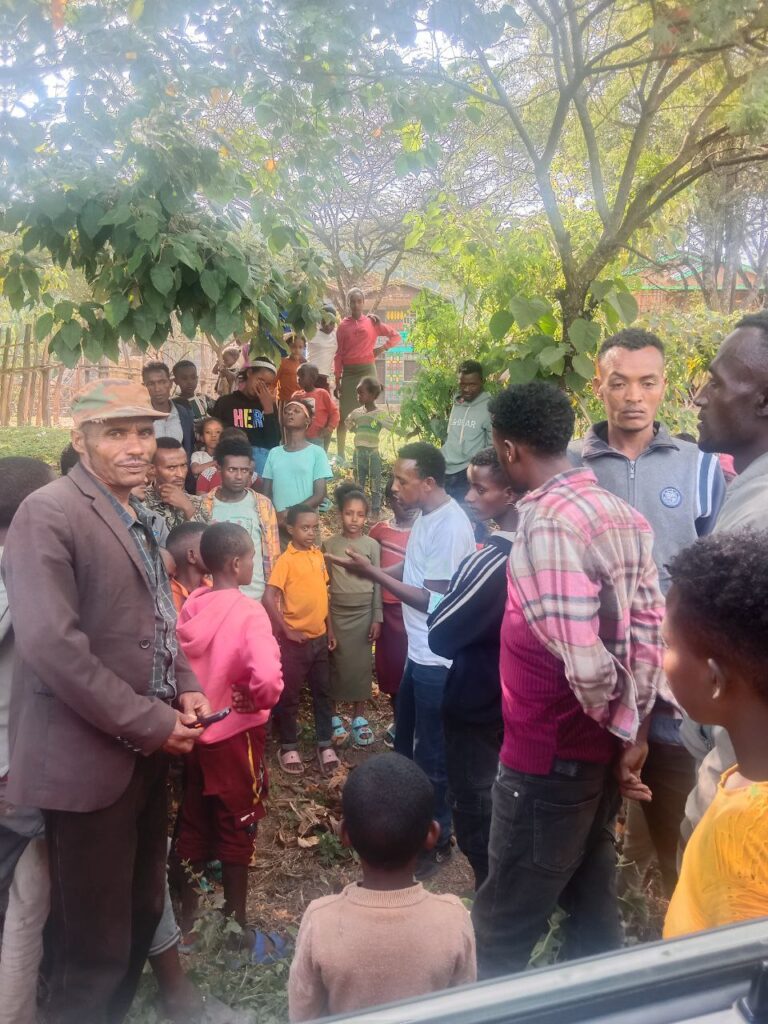
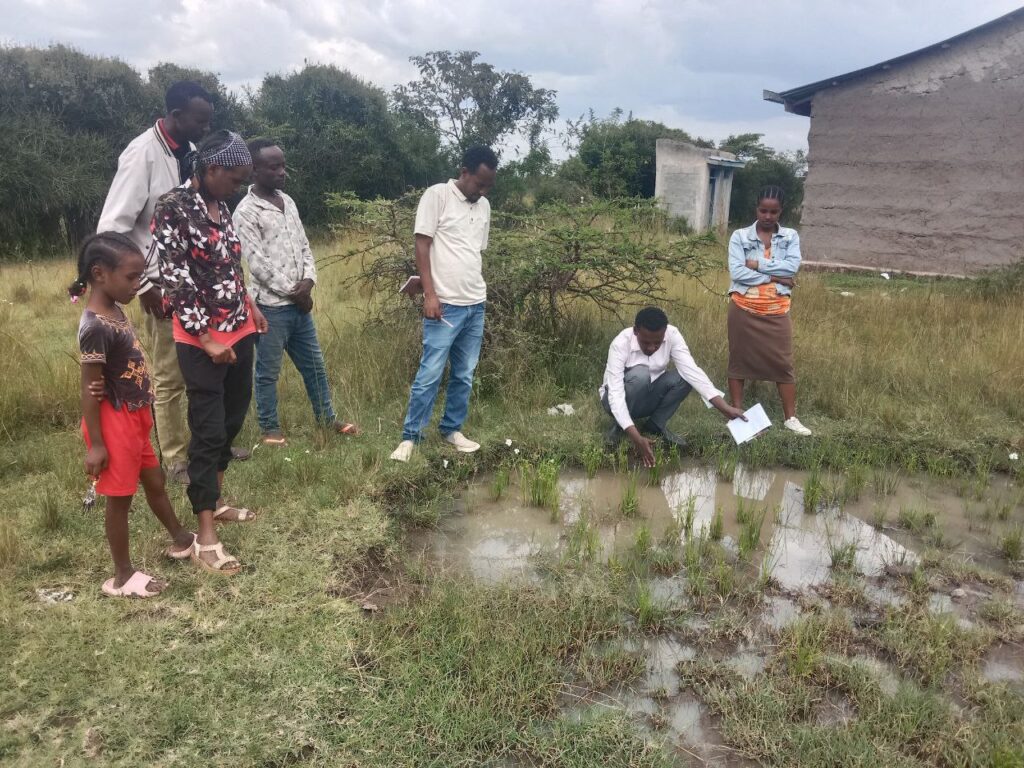
The Sidama Region stands resilient thanks to the unwavering dedication of our frontline responders. From the healthcare workers in our remote health posts to the emergency teams dispatched via 7794, these professionals are the backbone of our regional safety.
Whether managing health emergncies, navigating difficult terrain during environmental challenges, or providing life-saving advice in moments of panic, our responders act with unmatched courage and technical expertise. Their successful containment of high-consequence threats including the first-ever regional Marburg and Mpox occurrences is a testament to their skill and capability of the Sidama Public Health Institute.
Partners
Our Partners in Emergency
The Sidama Public Health Institute (SPHI) operates within a robust network of collaboration, ensuring a swift and coordinated response to any public health threat. Our success in safeguarding the region is built on the strong foundations of our partnerships with local, national, and international organizations.
National & Regional Leadership: We work in seamless coordination with the Federal Ministry of Health (FMOH) and the Ethiopian Public Health Institute (EPHI) to align our regional strategies with national standards. At the local level, our close integration with the Sidama Regional Health Bureau and other regional sectors ensures that emergency resources reach every district efficiently.
International Support: Our collaboration with the World Health Organization (WHO), UNICEF, Resolve to Save Lives; provides us with suples, technical guidance and global health expertise,
Provides technical framework for monitoring health threats and guiding the region through the full lifecycle of an emergency. WHO’s support ensures that from the first signal of an outbreak to the final recovery phase, follows international best practices.
Suport water and sanitation. RCCE (Risk Communication and Community Engagement) and WASH. UNICEF leads the way in engaging with the public, ensuring that vital health information reaches every household to encourage life-saving behaviors.
Strengthens the region’s ability to “find and stop” health threats quickly. By focusing on rapid preparedness and agile response systems, Resolve ensures that SPHI can move from detection to action with maximum speed and efficiency.
Join Our Mission: Work With Us
The Sidama Public Health Institute (SPHI) is dedicated to building a safer, healthier, and more resilient region. Protecting our community from health emergencies requires the collective expertise of passionate professionals, strategic partners, and dedicated volunteers.
- Professionals: Bring your expertise to our frontline response.
- Partners: Collaborate on high-impact health and safety initiatives.
- Volunteers: Support your community during critical outreach.