Programs and Services
SPHI delivers integrated public health functions that help the Sidama Region prevent health threats, respond to emergencies, strengthen quality systems, and use evidence for better decision-making.
Public Health Emergency Management
The Public Health Emergency Management Directorate works to reduce morbidity and mortality from public health emergencies through effective risk identification, preparedness, response coordination, and recovery support across all hazards to population health.
.
Vision
We aspire to build a PHEM system with all the capacities and capabilities required for risk mitigation, emergency preparedness, and emergency response and recovery in place.
Mission
The PHEM centre of SPHI strives to contribute to the mission of the institute by reducing morbidity and mortality from public health emergencies through effective risk identification, preparedness, and response and recovery measures relating to all hazards to population health in Sidama.
Priority areas
- Surveillance and early warning
- Emergency preparedness planning
- Emergency Operations Center support
- Risk communication and public advisories
- Response coordination
- Recovery and lessons learned
What We Do
We support the early identification of health threats, coordinate response systems, strengthen public communication, and promote continuity of essential health services during emergencies.
Why It Matters
Timely detection, transparent communication, and coordinated response reduce the health and social consequences of outbreaks, disasters, and other emergencies.
Research and Technolgy Transfer
SPHI conduct research on priority public health and nutrition problems and supports the translation of that evidence into practical action for policy, service improvement, and community wellbeing.
.
Vison
Research and Innovation
Mission
What We Do
- Set research priorities
- Conduct public health and nutrition studies
- Promote ethical and quality research systems
- Translate evidence into policy and program guidance
- Build research partnerships
Laboratorty
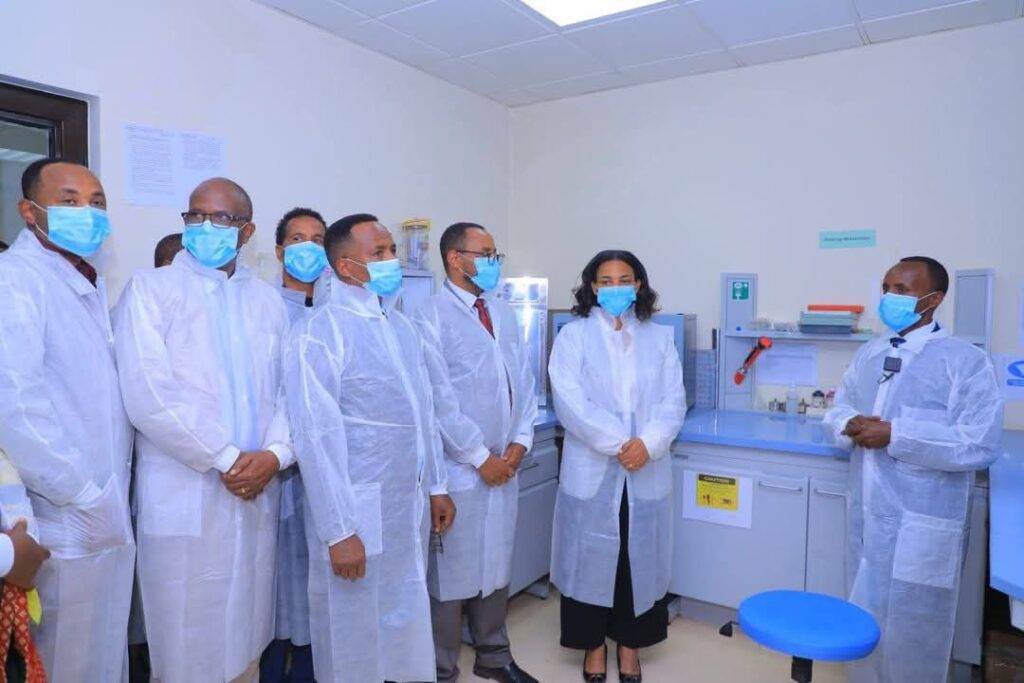
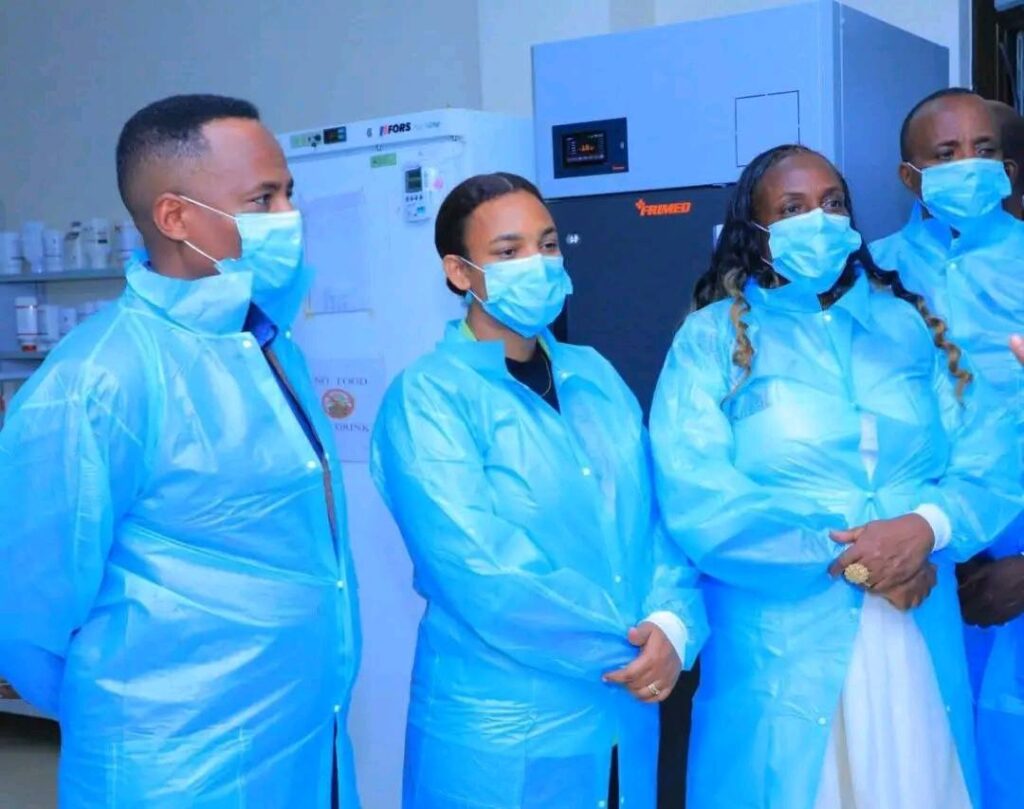
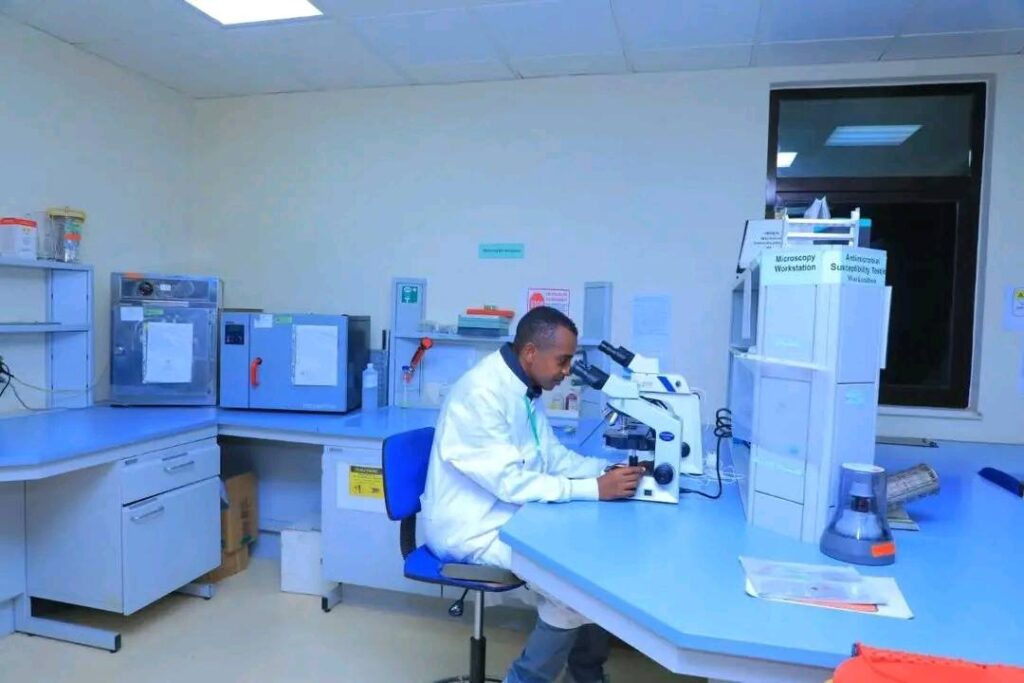
SPHI’s laboratory services strengthen public health action by supporting quality-assured diagnostics, referral testing, surveillance, quality management systems, and laboratory capacity development.
Vision
To be one of the leading public health problem-solving institute laboratories in Ethiopia.

Mission
To provide public health laboratory services to the inhabitants of the region and thereby reduce morbidity and mortality due to communicable diseases and other health problems through active participation of the community and all partners.
why It Matters
Strong laboratory systems improve diagnosis, support outbreak investigation, strengthen quality assurance, and increase trust in public health decisions.
service Areas
1. Referral diagnostic and analytical testing
2. Laboratory quality management systems
3. Technical support to health laboratories
4. Capacity building and mentorship
5. Laboratory support for surveillance and emergency response
Regional Data Management and Analytics Center For Health
SPHI strengthens evidence-based public health action through data governance, repositories, analytics, burden of disease estimation, digital systems, and evidence translation.
Vision
To be a center of excellence in generating, synthesizing, and translating public health and biomedical evidence in Sidama Region.
Mission
To improve health and wellbeing through stronger health data repository and governance systems, digital health innovation, high-quality analytics, evidence synthesis, and decision support.
Main Functions
Health Data Governance
Regional data repositories
Disease intelligence and analytics
Burden of disease and health metrics
Dashboards and visualization
Evidence synthesis and translation
Training and Capacity Building
SPHI supports the development of public health researchers, practitioners, laboratory professionals, emergency teams, and data users through structured training, mentorship, and institutional learning.